
Hotel Budget Plan: Essential Steps for Small Hotels

For example, suites and deluxe rooms can be promoted to business travelers or families seeking comfort, while single and twin rooms appeal to budget-conscious guests. Strategic pricing, upselling amenities like in-room dining or exclusive services, and targeted marketing campaigns for peak travel seasons can further optimize revenue across all bookkeeping and payroll services room types. Hotel staffing represents one of the most complex workforce management challenges in any industry.
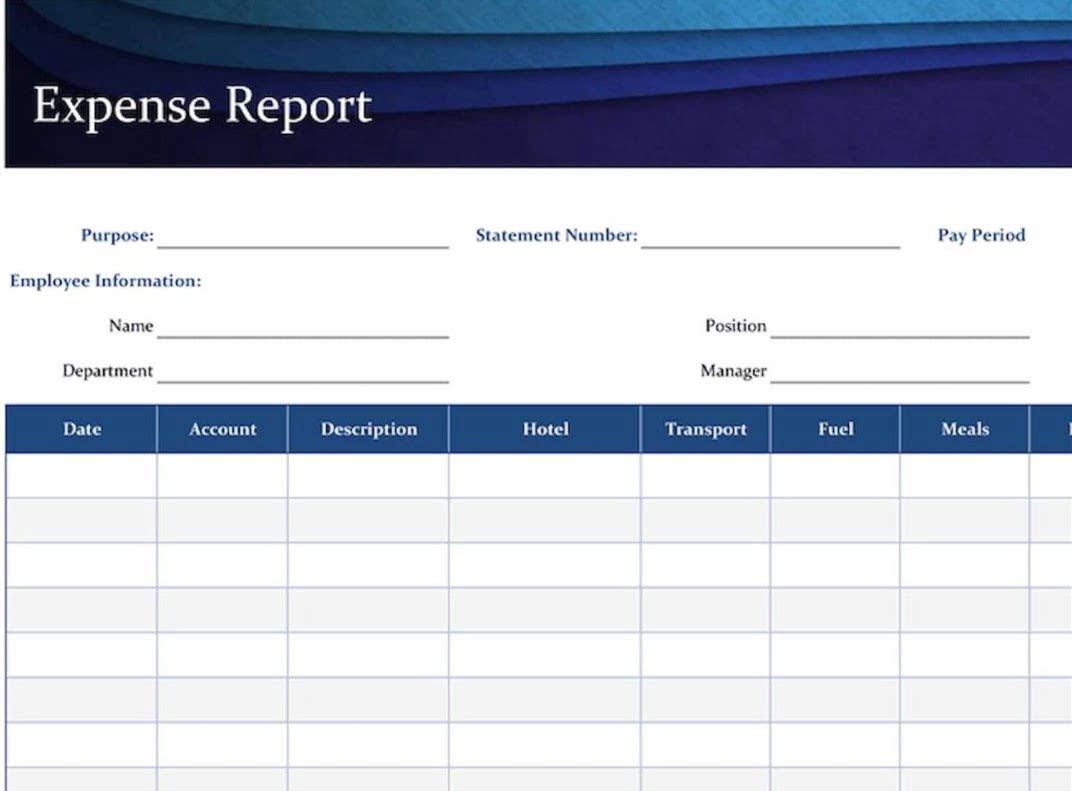
How to Create a Budget Template for Hotels
- Accurate revenue projections are critical in allocating resources and determining how much to invest in each revenue stream.
- This data provides a strong foundation for your budget planning and revenue forecasting.
- Then, the money that you’ll need to cover each type of expense goes into the envelope.
- The budget also accounts for all types of expenses, including operational costs, capital expenditures, and marketing budgets.
- Fixed costs include salaries, rent, utilities, and insurance, while variable costs encompass marketing expenses, seasonal staffing, maintenance, and cost of goods sold (COGS).
Hotel occupancy rates are calculated by dividing the number of rooms sold by the total number of available rooms, and then multiplying by 100 to get a percentage. For example, if a hotel with 200 rooms sells 150 on a given night, the occupancy rate is 75%. Monitoring occupancy rates is essential for boosting revenue as it provides insights into demand patterns, helping hoteliers optimize pricing strategies.
Essential Forms for Capital Gains Tax: A Complete Overview
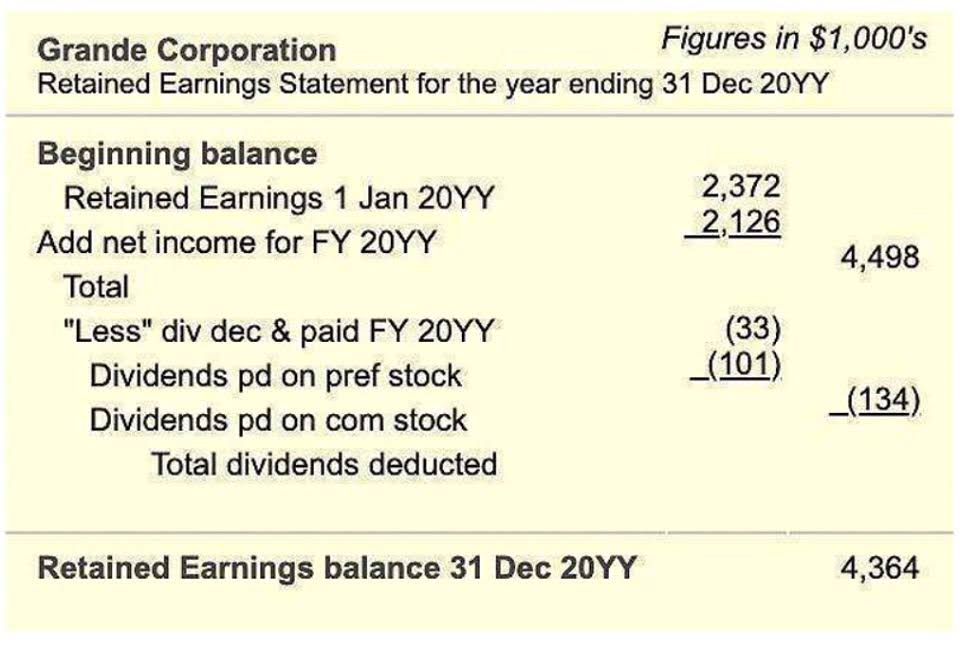
Additionally, comparing current expenses with historical data and industry benchmarks can help you assess your hotel’s financial performance and identify opportunities for cost savings. Use this information to make informed decisions and optimize your expense management strategy. Additionally, shift management software provides real-time visibility into staff hours, enabling managers to monitor and control overtime expenses effectively. With this technology, hotels can improve efficiency, enhance customer service, and effectively manage labor expenses. Matching employee availability with demand is a vital aspect of managing hotel expenses.
Types of Costs in Hotels

One Sunday afternoon spent on the dreaded task of creating a budget could help you hotel budget save hundreds or even thousands of dollars a year. Your hotel’s location, size, and budget also play a role in shaping your brand message. A small boutique hotel in a busy city will have a different message than a large resort in a quiet beach town.
- Allocate more funds to these high-performing areas to maximize their impact.
- Yet many event planners jump straight into listing expenses without establishing the strategic foundation that makes a budget truly effective.
- We give hoteliers actionable insights to know what to do, the tools to do it, and the visibility to know it worked.
- These metrics provide a clear picture of expected room revenue, allowing hotels to plan more confidently and allocate resources accordingly.
You’ll also discover how accounting solutions are designed to support your budgeting efforts and drive your business success. You need to know how to make a budget, be disciplined, and have the right tools. Effective planning is the key to QuickBooks success, whether trying to get out of debt or a business trying to expand. Financial goals are easier to reach when you use useful tips and up-to-date tools. Courses from MPES Learning help people and businesses with important considerations about managing money and budgets.
- These are the purchases that make life more fun or convenient, but aren’t necessary to keep you and your family safe and healthy.
- Hoteliers may also face delays in sourcing specialized contractors, which can drive up expenses.
- Analyzing past hotel expenses provides valuable insights for effective expense management.
- Aligning your budget with both financial and strategic objectives ensures every expense serves a purpose.
- Whether you’re managing a boutique inn or a large resort property, effective hotel staffing goes far beyond simply filling positions.
- Additionally, budgeting for staff training enhances service quality, which can lead to positive reviews and repeat customers.
- Begin by analyzing Performance Metrics to understand which channels have historically provided the highest return on investment (ROI).
Forecast Revenue
By assessing current assets, prioritizing ROI, leveraging technology, and embracing preventative maintenance, hotels can thrive in today’s challenging economic environment. Monitoring key economic indicators like GDP growth, employment rates, and consumer confidence can help predict broader trends affecting the hospitality industry. For example, an improving economy may lead to increased business travel and higher occupancy rates, while a downturn could have the opposite effect. Keeping track of competitors’ performance can also be valuable when generating hotel forecasts.

Leveraging free resources like HotStats and Str Report can further refine budget planning, enabling informed decisions that boost profits in the competitive hotel industry. Monthly reviews of financial statements and operating cash flow help team leaders make informed decisions on revenue goals, ensuring the financial health of the hotel business. Setting specific goals and objectives for marketing budget allocation, like increasing group business revenue or improving digital presence, can guide the budget preparation process. The standard hotel check-in time is generally between 2 PM and 4 PM, allowing housekeeping to ensure rooms are ready for new arrivals. Hoteliers must manage check-in policies to balance operational efficiency and guest satisfaction effectively. To implement an effective hospitality training program, businesses must focus on structured, continuous learning that aligns with industry standards and evolving guest expectations.
Additionally, franchise models and management contract models are popular in large hotel chains, where ownership is separate from management. These models enable hotels to leverage brand recognition and corporate resources while allowing localized management for day-to-day operations. The most effective models align with the hotel’s size, service level, and business goals.
This strategic allocation ensures your budget drives the outcomes that matter most. Some expenses are non-negotiable essentials that directly impact your event’s success, while others enhance the experience but aren’t critical. Creating lists of must-haves and nice-to-haves helps you prioritize spending wisely. Think about the music festival that invests heavily in social media-worthy installations. The direct cost might seem high, but the organic marketing and attendee engagement generated can deliver returns far beyond ticket sales. Aligning your budget with both financial and strategic objectives ensures every expense serves a purpose.